Every October, Old Tbilisi shuts its streets to traffic and opens them to wine, khinkali and folk music for Tbilisoba — the noisy, warm-hearted festival where the whole city celebrates its own birthday.
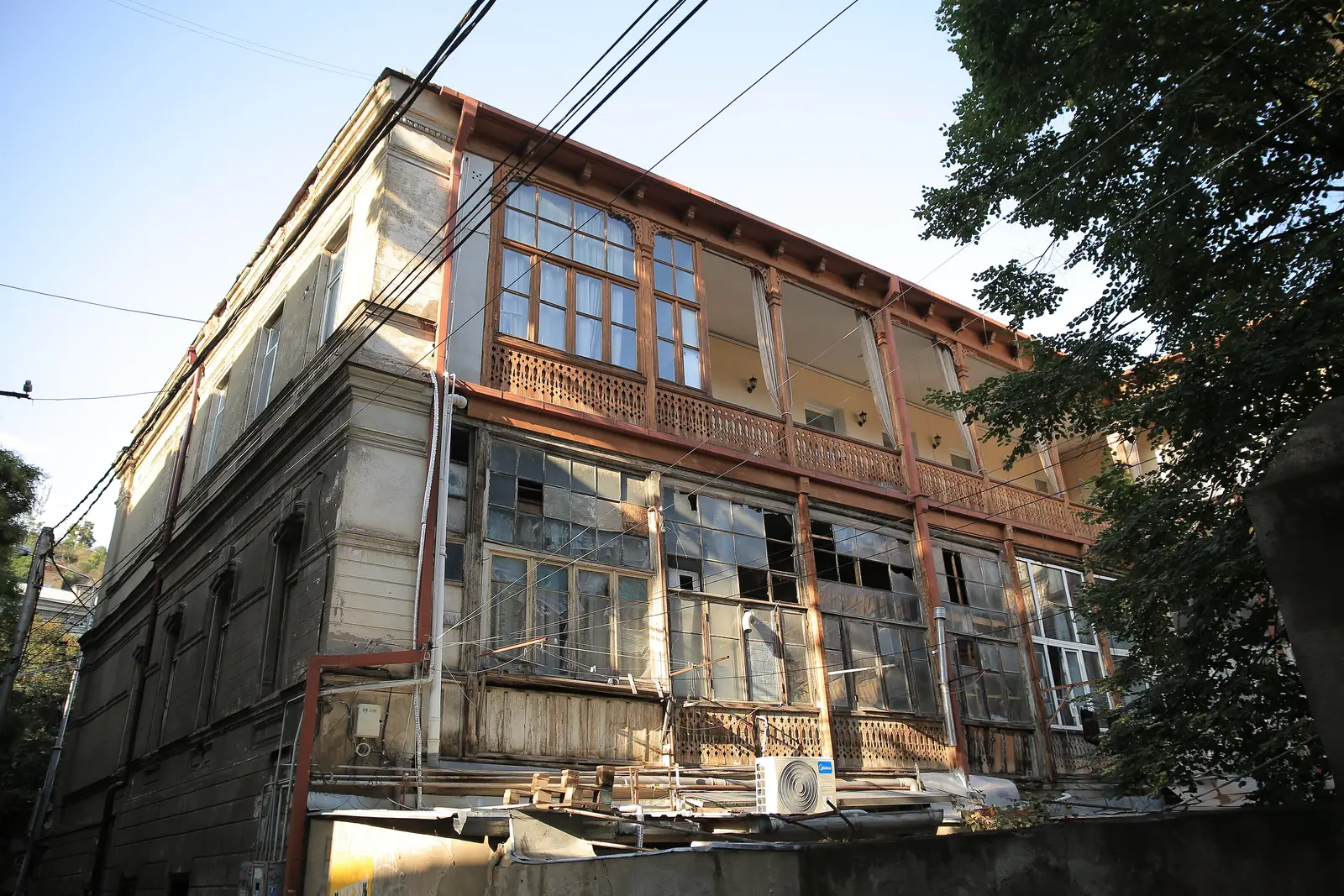
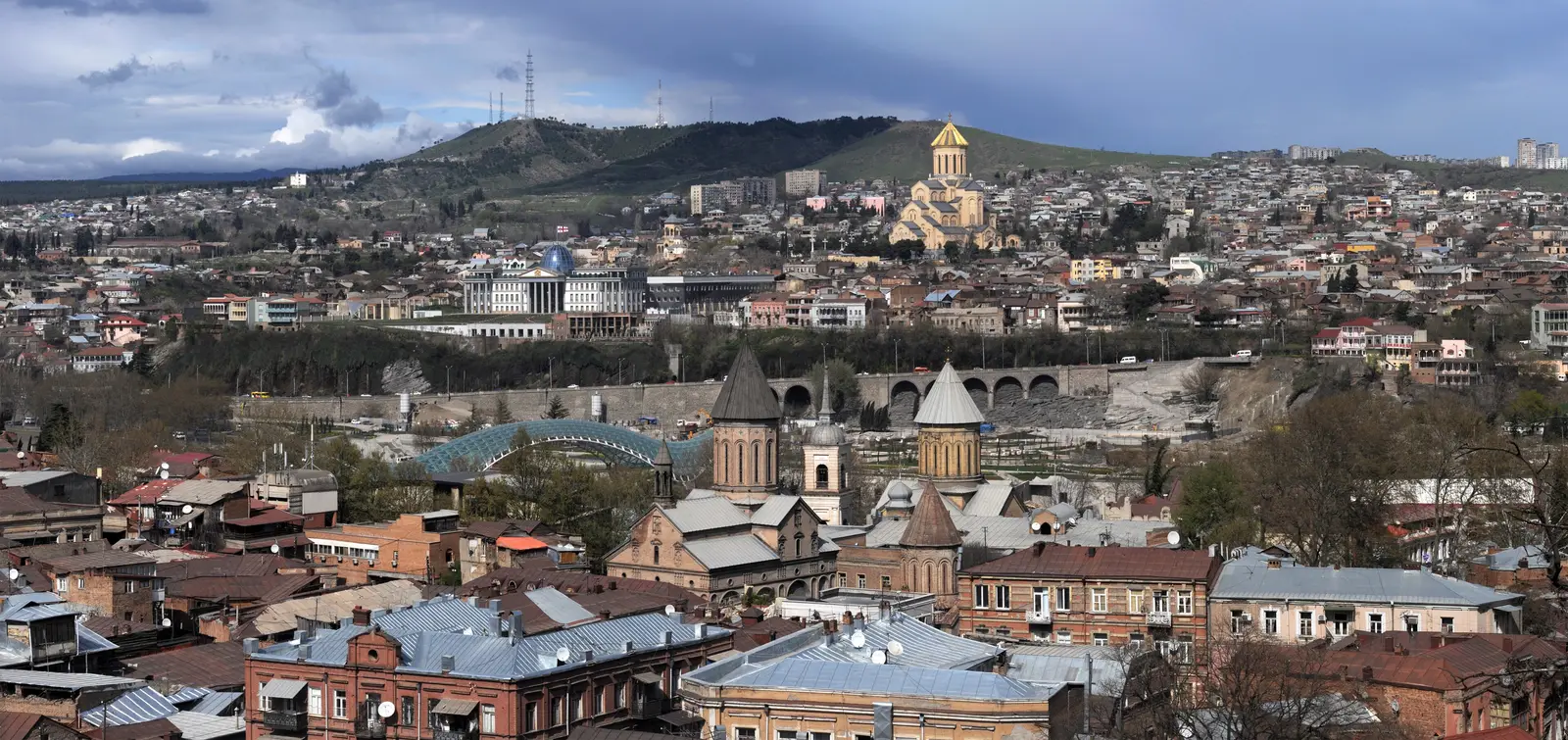
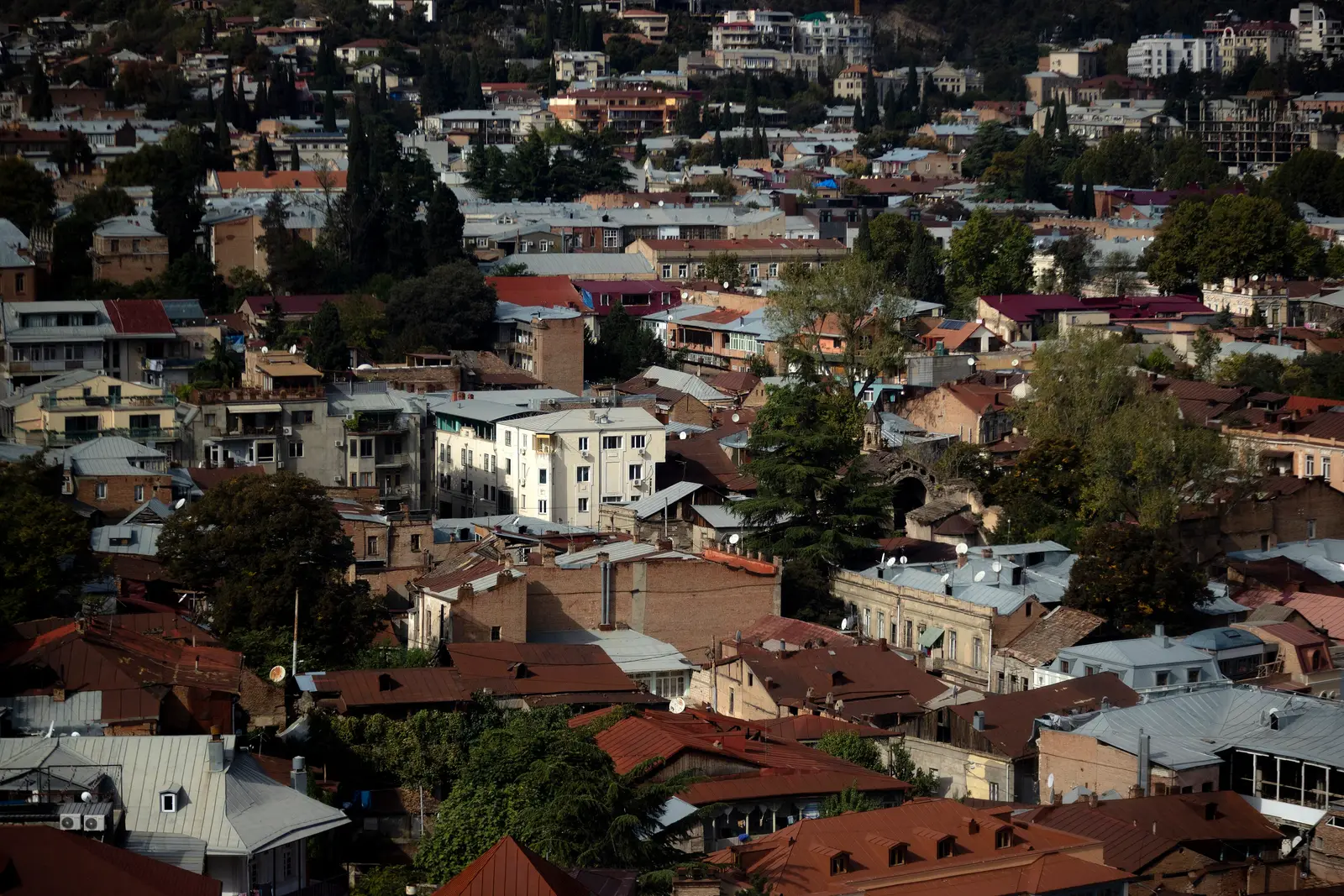
No one can say exactly how old Tbilisi is, which has never stopped the city from throwing itself a birthday party. Every autumn, for one weekend, Old Tbilisi closes to cars, the smell of grilled meat and fresh bread drifts over Abanotubani, and a city that spends most of the year rushing past its own history stops to celebrate it. The festival is called Tbilisoba, and it is as close as Tbilisi gets to a citywide open house.
A pheasant, a hot spring and a king
The story usually told about Tbilisi's birth involves a king, a falcon and a great deal of luck. Vakhtang I Gorgasali, who ruled the Georgian kingdom of Iberia in the fifth century, was out hunting in the forested gorge along the Kura river when his falcon brought down a pheasant. Both birds fell into a hot spring and, depending on who tells the story, the pheasant either emerged healed or was cooked outright by the water. Struck by the springs, Vakhtang is said to have ordered the forest cleared and a city built on the spot, naming it Tbilisi after "tbili," the Georgian word for warm.
Historians treat the tale as legend rather than record — the sulphur springs of Abanotubani almost certainly drew settlers long before any king arrived — but it is the story Tbilisi tells about itself, and it is why the sulphur baths neighbourhood sits at the heart of the birthday celebrations each year.
From Soviet showcase to homegrown tradition
The festival itself is much younger than the city. Tbilisoba was created in 1979 at the initiative of Eduard Shevardnadze, then First Secretary of Soviet Georgia's Communist Party, who wanted a new civic holiday to mark the capital's 1,500-year history and to draw attendance away from religious feast days. It largely worked as public spectacle — but it also gave Georgians a yearly excuse to gather around their own folklore, cuisine and music, which did more for national feeling than the Party likely intended.
The festival went quiet during the upheaval of the early 1990s and was revived in 1995. It has been held every year since, usually falling on a weekend in October, with the city government now using the occasion to award honorary citizenship to Tbilisians who have shaped the capital's cultural life.
What you'll find in the streets
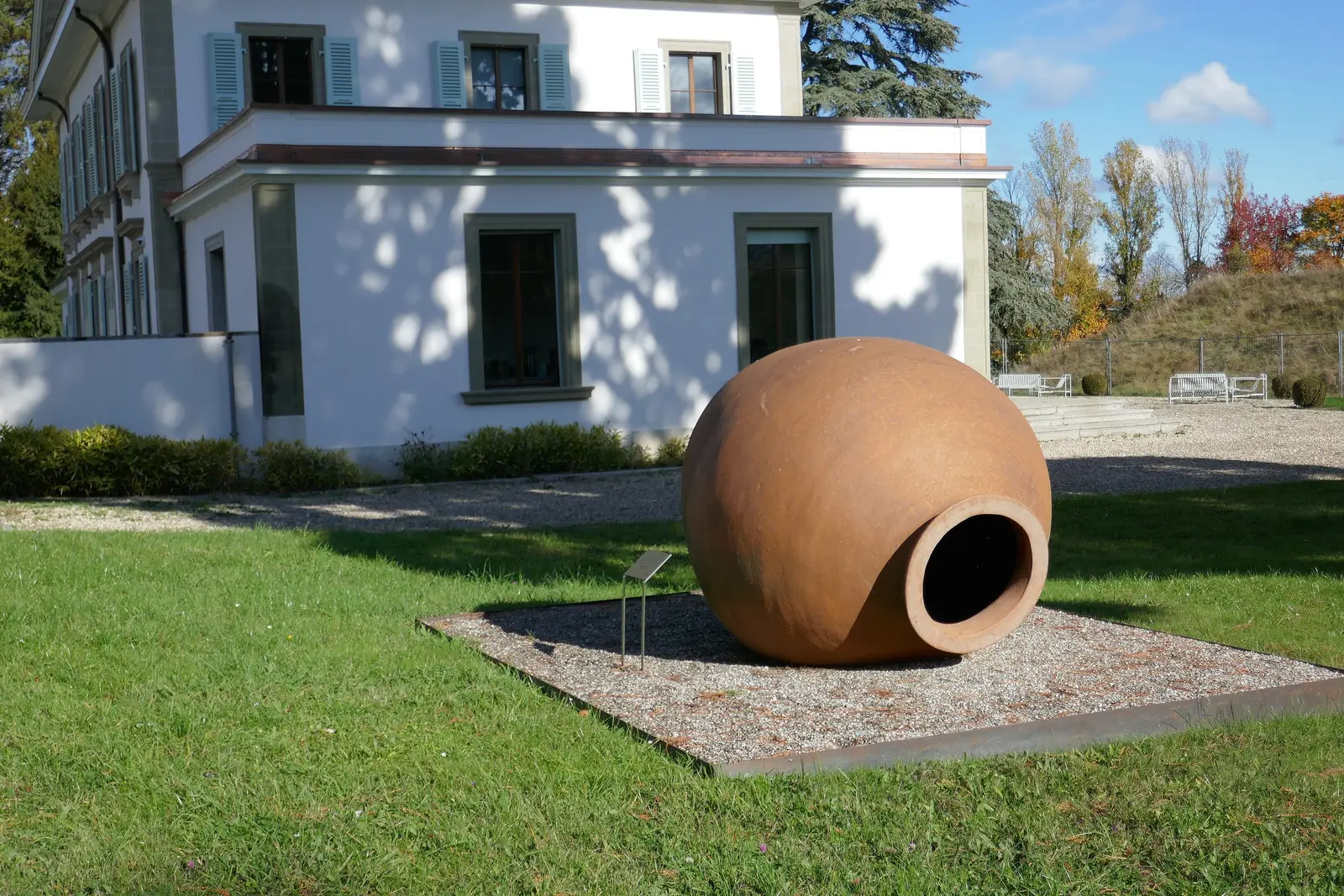
Tbilisoba spreads across several parts of town, but its gravity still pulls toward Old Tbilisi — the lanes around Abanotubani and Sioni, Orbeliani Square and the open ground of Rike Park across the river. Stalls sell the last of the year's produce alongside the harvest festival known as rtveli: grapes, walnuts, honey, strings of churchkhela hanging like candles, and wine poured straight from someone's own qvevri. Vendors grill mtsvadi over charcoal, bakers pull khachapuri from clay tone ovens, and craftspeople lay out felt, ceramics and silver jewellery on folding tables.
- 01Follow the smell of woodsmoke to the mtsvadi and khinkali stalls around Abanotubani
- 02Watch a winemaker pour straight from the qvevri rather than a bottle
- 03Listen for Georgian polyphonic singing breaking out unannounced in a courtyard
- 04Browse handmade felt, ceramics and jewellery at the artisans' tables
- 05Stay past dark for the folk dance performances and the closing fireworks over the river
“For one weekend a year, Old Tbilisi stops being a backdrop for photographs and becomes the whole city's living room.”
Stages set up around Old Tbilisi carry folk ensembles and dance troupes through the afternoon, building toward an evening gala concert and, on the festival's closing night, fireworks over the Mtkvari. None of it asks much of a visitor beyond showing up and being hungry — the festival was built to be wandered, not scheduled.
Planning your visit
Tbilisoba is usually held on a weekend in October, though the exact dates and programme are confirmed by Tbilisi City Hall closer to the event and have shifted in recent years — in 2025, for instance, the festival was moved forward to September to avoid clashing with local elections. Check the current dates before you plan around it.
Base yourself in Old Tbilisi and walk: the festival footprint runs from Abanotubani and Sioni Street through Orbeliani Square and down to Rike Park, all within easy reach of Avlabari and Liberty Square metro stations. Go hungry, bring cash for the food stalls, and arrive in the afternoon to browse before the evening crowds and concerts fill the lanes.
Sources